Measure the real space
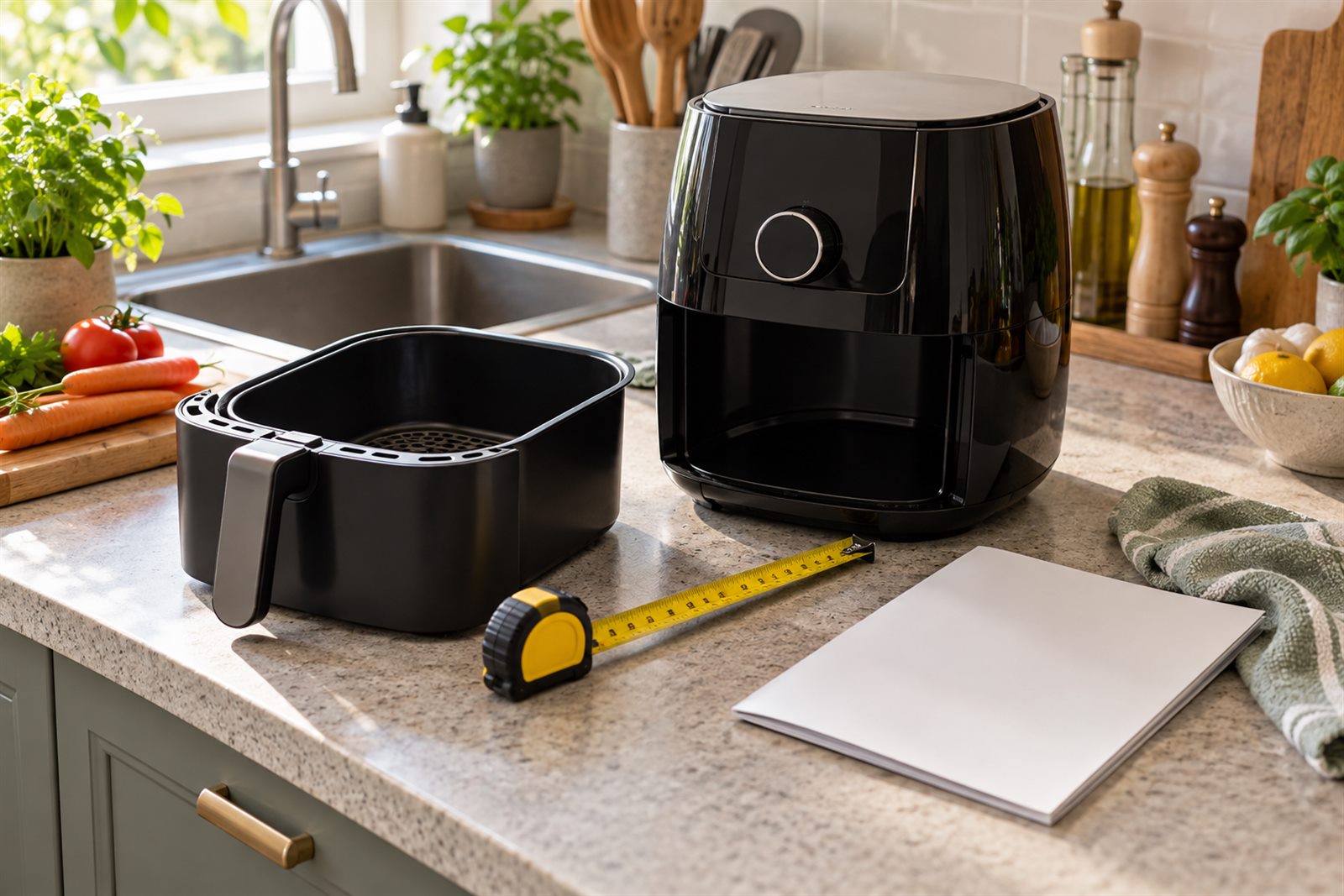
Measure width, depth and height where the appliance will sit, including room for doors, lids, ventilation and cables. Think about where it will be stored if it does not remain on the counter. A product can fit the listed space and still be awkward to use when surrounding clearance is ignored.
Prioritize the main task
Choose the result you need most and compare the controls that support it. Extra programs have value only when you understand when you would use them. Check capacity against your normal household routine rather than the largest occasion you can imagine.
Consider cleaning and noise
Look at which parts detach, how narrow spaces are reached and whether the routine matches the time you have. If the appliance will run early, late or in a shared space, noise and vibration may matter as much as speed. Product manuals often explain maintenance more clearly than summary descriptions.
Check support and safety information
Review the manufacturer’s current instructions, electrical requirements, warranty terms and service options for your location. Use the appliance only as directed. A good choice is one you can operate, clean and store confidently after the novelty of the first week has passed.
Specifications, electrical requirements, warranty coverage and safety instructions vary by model and location. Check the current manufacturer documentation before purchasing or use.