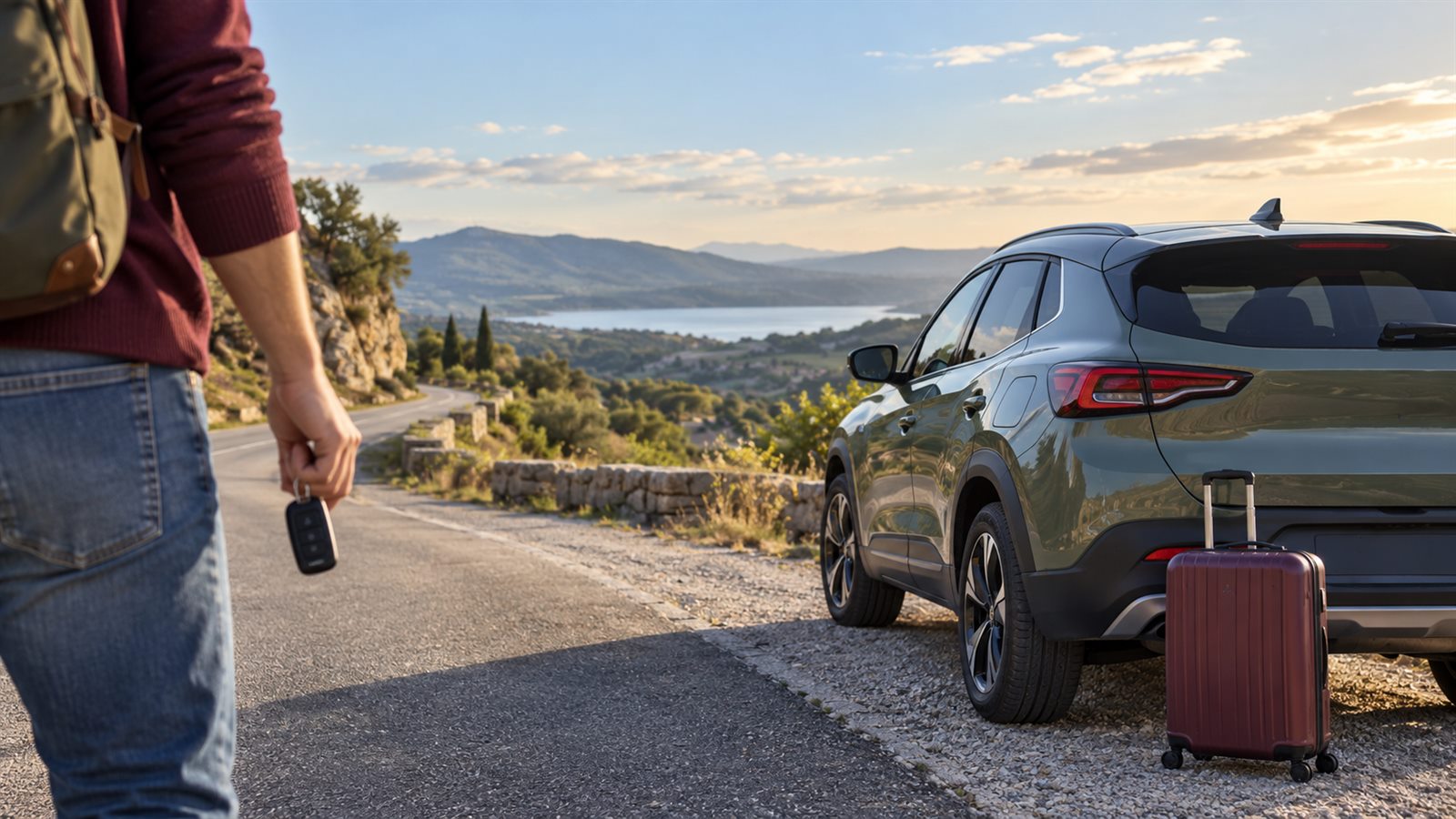
Match the vehicle to the route
Start with passengers, luggage and the roads you expect to drive. A smaller car may be easier in dense towns, while a longer route with several bags may call for more cabin space. Consider transmission preference, fuel or charging availability, and whether every driver will feel comfortable with the vehicle type.
Read the booking conditions
Check who may drive, what identification is required, the deposit or authorization process, mileage rules, fuel policy and the stated pickup window. Coverage can depend on the rental agreement, your own insurance and the payment method, so verify current details with the relevant providers instead of relying on assumptions.
Plan pickup with time to inspect
At pickup, compare the vehicle with the reservation, photograph existing marks and confirm how to report a problem. Locate the lights, wipers, mirrors, fuel door and emergency equipment before entering traffic. Ask questions while staff are available and keep the agreement somewhere you can reach it.
Make the return predictable
Save the return location and opening details before the last day. Allow time for traffic, refueling or charging, unloading and a final walk-around. Take clear photographs after parking and keep the final documents. A calm return plan protects the final hours of the trip from avoidable pressure.
Driver requirements, deposits, coverage options, mileage rules and pickup procedures vary by provider and location. Confirm the current rental agreement before booking.